Rafkat Sabiryanovich Latypov

Rafkat Sabiryanovich Latypov

1941 — 2021

Educator, public figure, founder of the "Genetic Memory" concept

Biography

Rafkat Sabiryanovich Latypov was born in 1941 in the settlement of Aysky (now part of the Chelyabinsk region). He studied in schools of the Kiginsky district, graduating in 1958. After school, he worked as a tractor driver, then served in the army — a time that tempered his character and strengthened his life values.

Having received a higher pedagogical education in "mathematics teacher", Rafkat Sabiryanovich devoted himself to the noble cause of education. He worked as a mathematics teacher in schools of Arkhangelsky, Chishminsky, and Kiginsky districts of the Republic of Bashkortostan, leaving a deep mark in the hearts of his students.

Upon retiring, he did not stop there — he continued to learn, wrote articles, painstakingly collected historical data, and actively participated in public life. It was during these years that the idea of "Genetic Memory" was born and strengthened — a philosophy of preserving the connection between generations.

"By studying our grandfathers, we learn about our grandchildren. By studying our ancestors, we learn about ourselves"
1941
Born in the settlement of Aysky (now Chelyabinsk region). Early years — formation of character and values.
1958
Graduation from school in the Kiginsky district. Early career — working as a tractor driver.
1960s
Military service. Obtaining higher pedagogical education as a mathematics teacher.
1970–2000
Many years of teaching mathematics in schools of Arkhangelsky, Chishminsky, and Kiginsky districts of Bashkortostan.
2000–2021
Retirement: writing articles, collecting historical data, active public work. Birth of the "Genetic Memory" idea.
2021
Passing. His legacy continues through the initiative's work and the memory of his students.

People Who Left Their Mark

Those who shaped his character, inspired him, and accompanied him throughout his life journey

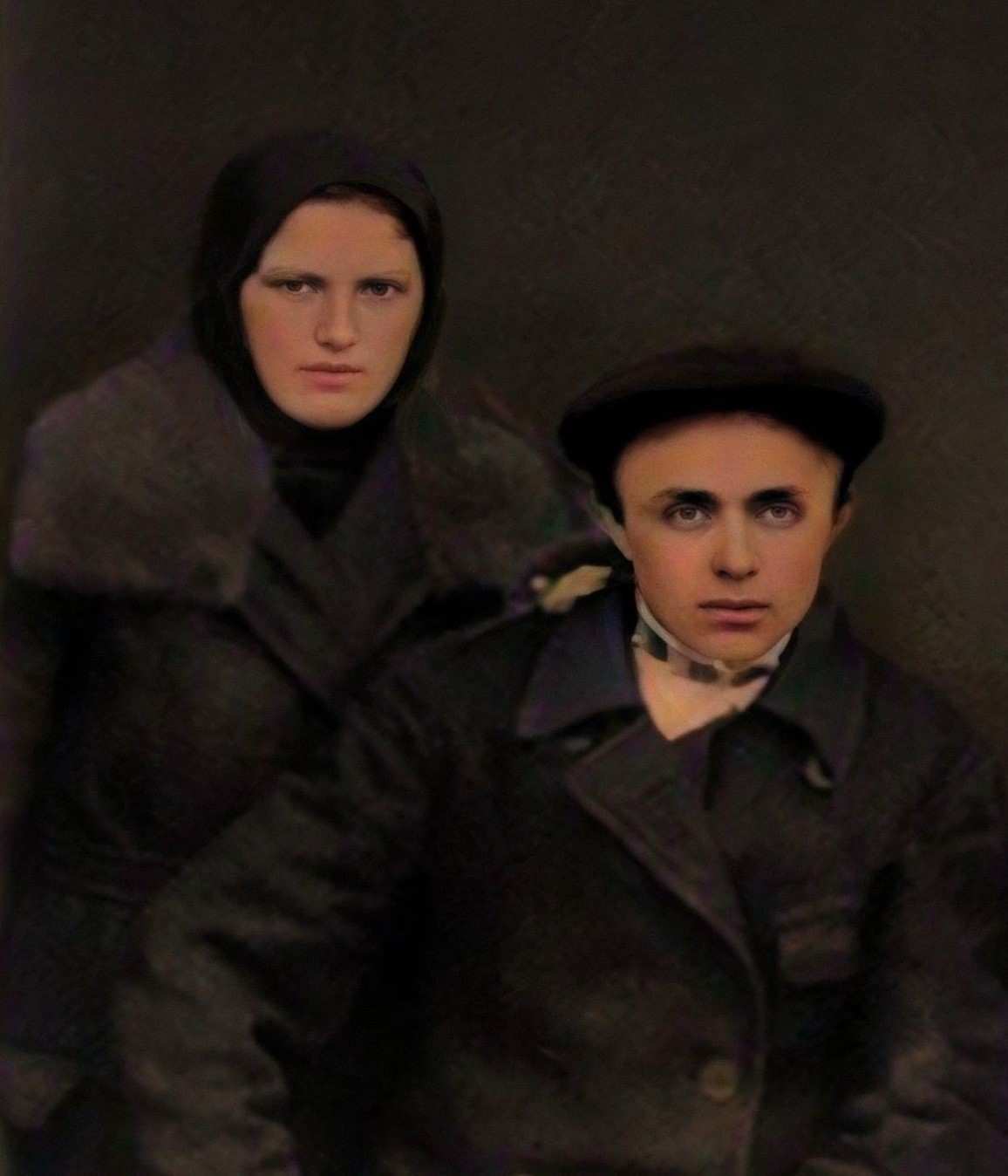
Sabiryan and Rakia Latypov
Parents

Sabiryan and Rakia Latypov

Father and mother — the foundation of character. They embody the connection with all relatives: the grandmother who raised Rafkat Latypov, and his seven brothers and sisters.

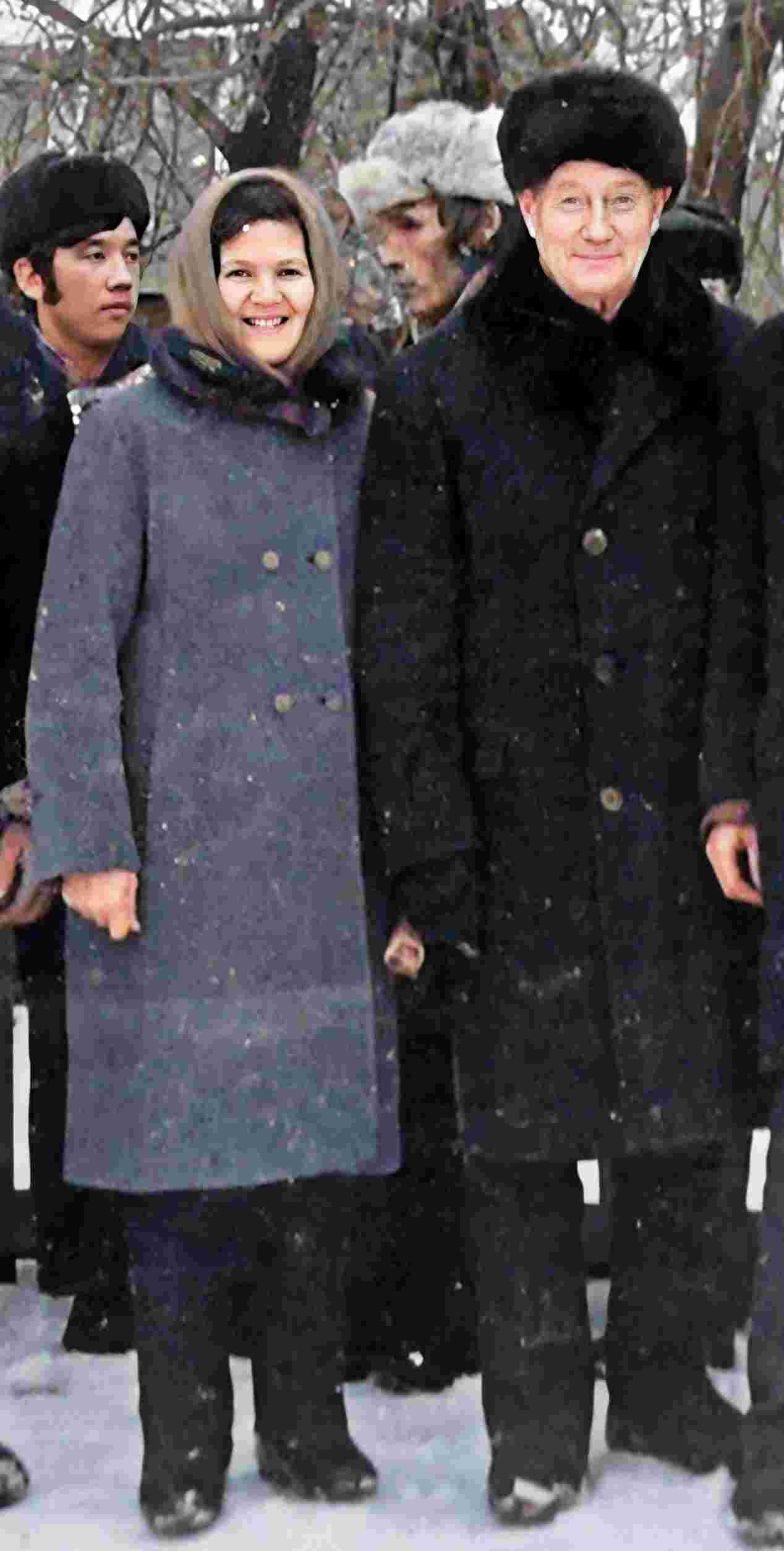
Venera Latypova
Wife and Faithful Companion

Venera Latypova (Zubairova)

They lived hand in hand for almost 48 years. Pillar and support, together they raised three children and went through all of life's trials.

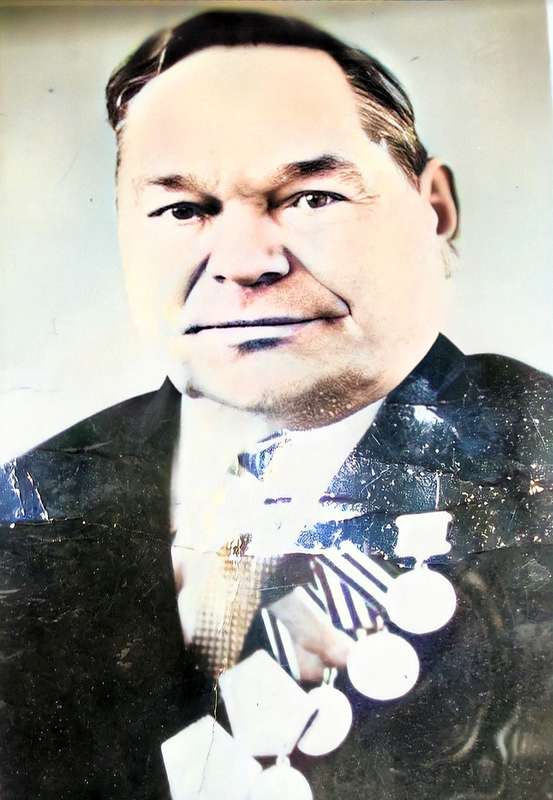
Gainulla and Gadelnisa Zubairov
Parents-in-law

Gainulla and Gadelnisa Zubairov

The spouse's parents, who became a reliable support for the young family. Gainulla Zubairovich was an intelligence officer and a hero of the Great Patriotic War.

Khadyi Khabibullovich Khabibullin
Mentor

Khadyi Khabibullovich Khabibullin

"In many ways, I became who I am thanks to him." A teacher whose example inspired the preservation of historical memory.

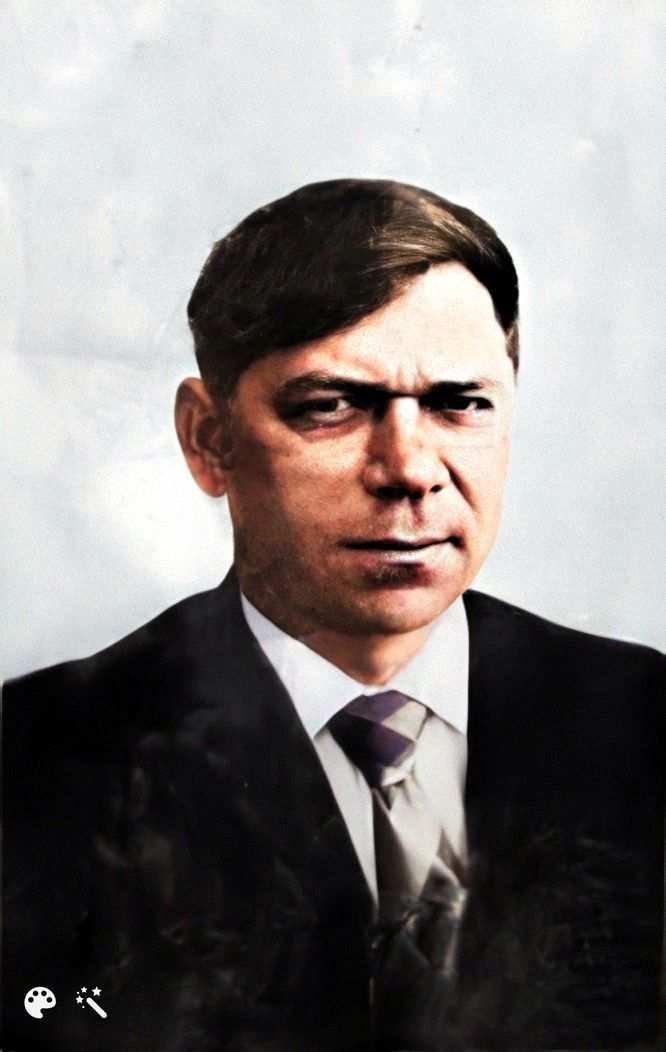
Akhmet Gareevich Gareev
Mentor

Akhmet Gareevich Gareev

A participant in the Great Patriotic War, head of the regional department of national education. Had a great influence on the formation of the pedagogical path.

Akhat Samigullin
Leader

Akhat Khusnutdinovich Samigullin

Head of leading farms in the republic. It was his parting words that helped Rafkat Sabiryanovich realize himself in the profession of a teacher.

Great-great-grandfather

Arslan Taymasov

Founder of the Arslanovo village in the 19th century. A direct ancestor whose legacy became the foundation of interest in the history of the clan.

Pupils

First students of the 1950s

Students of the Kamallinskaya and Arslanovskaya schools. Those with whom the teacher's path began and the traditions of "Genetic Memory" were laid.

History Keeper

Mindiyar Enikeyevich Yusupov

A native of Kubyakovo, a participant in three wars. A unique connoisseur of the history of the early 20th century, who passed his knowledge on to descendants.

Selected Thoughts

Words that continue to inspire

Memory fills our life with meaning. By studying our grandfathers, we learn about our grandchildren. By studying our ancestors, we learn about ourselves.

The history of the small homeland is the love for our native land.